
Introduction
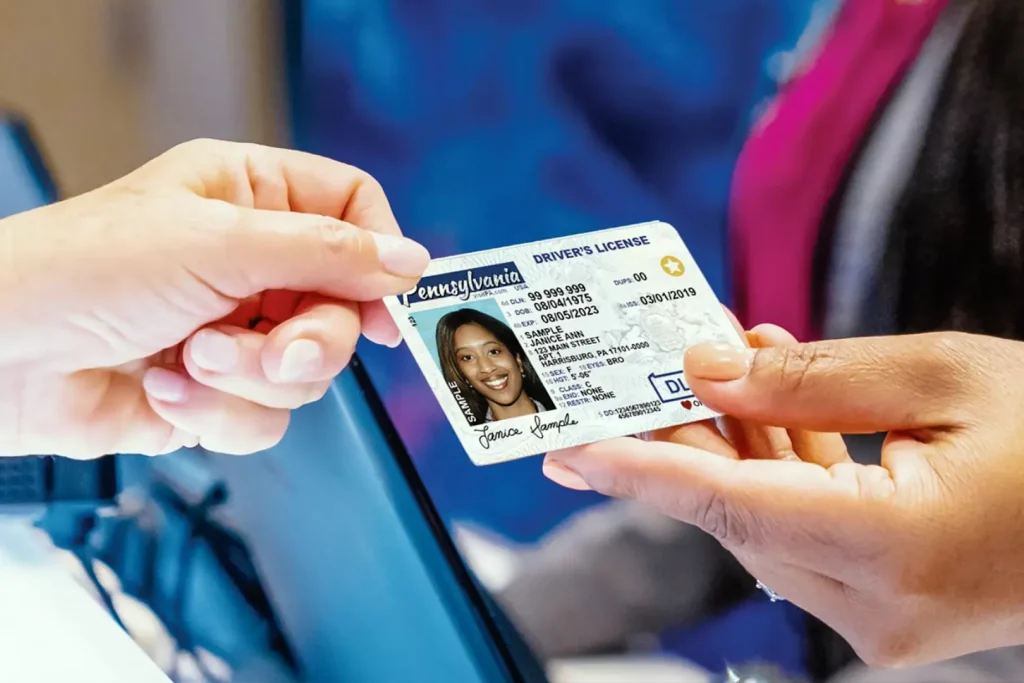
In today’s digital age, identification systems have evolved far beyond simple plastic cards. One of the most talked-about innovations is the scannable novelty ID. Whether you’re researching for educational purposes, curiosity, or understanding modern ID technologies, knowing how these IDs work is essential.
This guide will walk you through everything you need to know about scannable novelty IDs — from their definition and functionality to their features, uses, and important considerations.
What Is a Scannable Novelty ID?
A scannable novelty ID is a replica-style identification card designed with a working barcode or magnetic strip that can be scanned by certain devices. These IDs are typically created for novelty, entertainment, or collectible purposes rather than official identification.
Unlike basic novelty IDs, scannable versions are embedded with encoded data that mimics the structure of real IDs. This data can be read by barcode scanners or card readers, depending on the technology used.
How Does a Scannable Novelty ID Work?
Scannable novelty IDs work using encoded information stored within a barcode, QR code, or magnetic stripe. Here’s a simple breakdown:
1. Data Encoding
Information such as name, date of birth, or ID number is digitally encoded into a barcode or magnetic strip.
2. Scanning Process
When the ID is scanned using a compatible device:
- Barcode scanners read the encoded data
- Magnetic strip readers extract stored information
3. Data Output
The scanner translates the encoded data into readable text displayed on a system.
4. Verification Simulation
Some advanced novelty IDs simulate verification processes, making them appear more realistic.
Types of Scannable Features
1. Barcode (PDF417)
- Most common type
- Stores personal data in a compact format
- Used in many ID systems
2. Magnetic Stripe
- Similar to credit cards
- Stores data in magnetic form
- Requires swipe-based scanners
3. QR Codes
- Less common but modern
- Can store larger amounts of data
- Easily scanned via smartphones
Key Features of a High-Quality Scannable Novelty ID
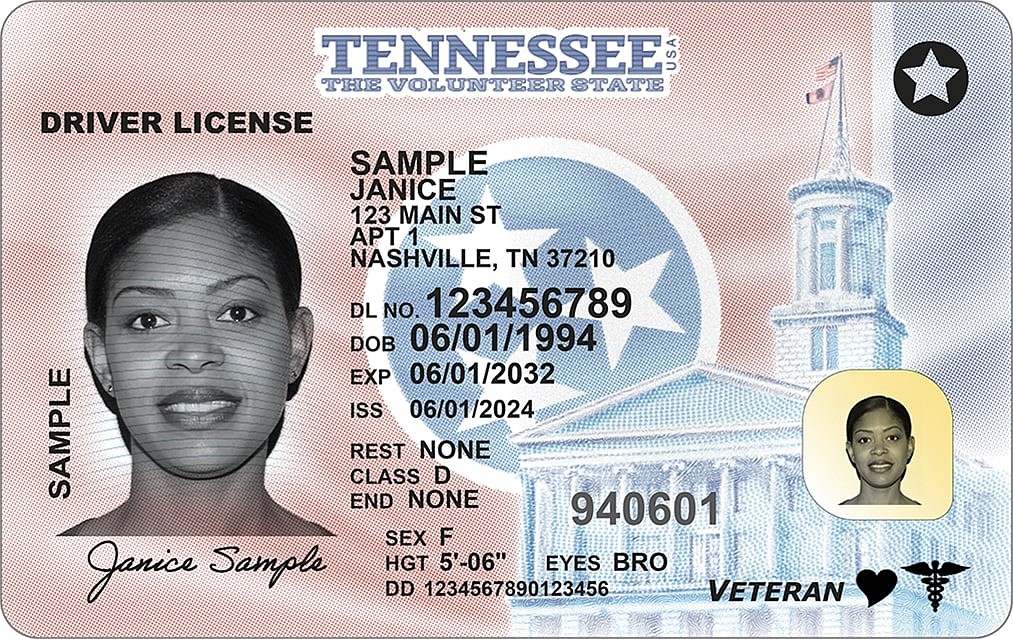
A well-designed scannable novelty ID typically includes:
- Realistic layout and design
- Working barcode or magnetic stripe
- Holographic overlays
- UV (ultraviolet) features
- Microprinting details
- Laser-engraved text
These features enhance visual authenticity and improve scanning functionality.
Common Uses of Scannable Novelty IDs
While not meant for official use, these IDs are commonly used for:
1. Entertainment & Film Production
Used as props in movies, TV shows, and theater productions.
2. Collectibles
Some people collect novelty IDs as unique items.
3. Educational Purposes
Helpful for understanding how real ID systems work.
4. Design Practice
Graphic designers use them to practice card design techniques.
Are Scannable Novelty IDs Legal?
The legality of scannable novelty IDs depends on how they are used.
- Legal when used for novelty, entertainment, or educational purposes
- Illegal if used to impersonate someone or commit fraud
Always check local laws and regulations before purchasing or using such items.
Risks and Considerations
Before engaging with scannable novelty IDs, it’s important to understand potential risks:
1. Misuse
Using them as real identification can lead to legal consequences.
2. Scams
Some websites sell low-quality or non-functional IDs.
3. Data Privacy
Never share sensitive personal information when ordering online.
4. Quality Issues
Not all novelty IDs are truly scannable despite claims.
How to Identify a Quality Scannable Novelty ID
Here are some tips to evaluate quality:
- Check for real scannable barcode functionality
- Look for high-resolution printing
- Ensure presence of security features
- Read customer reviews before purchasing
- Verify seller credibility
Difference Between Real ID and Scannable Novelty ID
| Feature | Real ID | Scannable Novelty ID |
|---|---|---|
| Legal Status | Official | Not official |
| Database Link | Yes | No |
| Purpose | Identification | Novelty/Practice |
| Verification | Government-backed | Simulated |
Future of Scannable ID Technology
With advancements in digital identity systems, scanning technology continues to improve. Features like:
- Biometric integration
- Blockchain-based IDs
- Mobile digital IDs
are shaping the future of identification systems. Even novelty IDs are evolving to reflect these trends.
FAQs
1. What is the purpose of a scannable novelty ID?
It is mainly used for entertainment, educational, or design purposes, not for official identification.
2. Do scannable novelty IDs actually scan?
Yes, some high-quality ones contain working barcodes or magnetic strips that can be scanned.
3. Is it legal to own a novelty ID?
Yes, as long as it is not used for fraudulent or illegal activities.
4. What information is stored in the barcode?
Typically, basic data like name, date of birth, and ID number.
5. Can scanners detect if an ID is real?
Advanced systems may detect authenticity, but novelty IDs only simulate real data.
Conclusion
Scannable novelty IDs are a fascinating blend of design and technology. While they are not meant to replace official identification, they offer valuable insights into how modern ID systems function.
From working barcodes to realistic security features, these IDs showcase the evolution of identification technology in a simplified and accessible way. However, it’s crucial to use them responsibly and understand their limitations.
If you’re exploring this space, always prioritize quality, legality, and ethical use.