
Introduction
In today’s digital age, identification systems have become more advanced than ever. From barcode scanning to magnetic stripe verification, modern IDs are designed with sophisticated features that ensure authenticity and security. However, many people are curious about novelty scannable IDs—what they are, how they function, and most importantly, what makes them appear to pass verification systems.
This comprehensive guide explores the key elements that contribute to the appearance and functionality of novelty scannable IDs. Whether you’re researching for educational purposes or simply curious about how verification systems work, this article breaks everything down in a clear and easy-to-understand way.
2. What Is a Novelty Scannable ID?
A novelty scannable ID is typically a replica or non-official identification card designed to mimic the look and structure of a real ID. These IDs often include features like:
- Barcodes or QR codes
- Magnetic stripes
- Realistic layouts and fonts
- Laminated surfaces
While they may resemble legitimate IDs, they are not issued by government authorities and are intended for novelty or entertainment purposes.
3. How ID Verification Systems Work
Before understanding what makes a novelty ID appear to pass verification, it’s important to understand how real verification systems operate.
Barcode Scanning
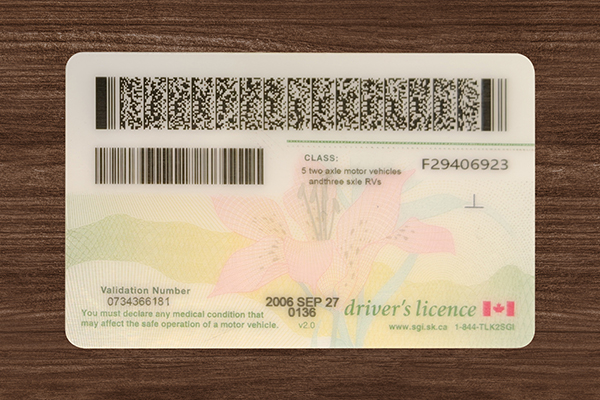
Most modern IDs include a PDF417 barcode on the back. This barcode stores encoded personal information such as:
- Name
- Date of birth
- Address
- ID number
When scanned, the system reads and displays this data.
Magnetic Stripe
Some IDs also contain magnetic stripes, similar to credit cards. These store data that can be read by swipe machines.
Visual Inspection
Security personnel often check:
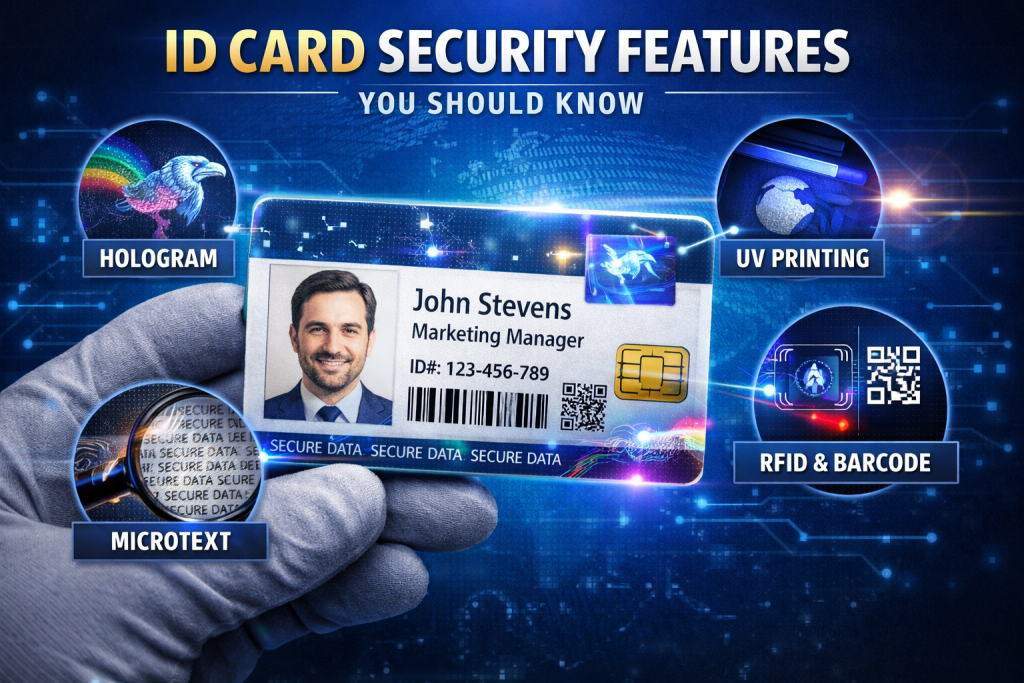
- Holograms
- Microprinting
- UV features
- Photo alignment
Database Matching
Advanced systems cross-check scanned data with official databases to confirm authenticity.
4. Key Features That Help a Novelty ID Appear Scannable
Accurate Barcode Encoding
One of the most critical aspects is the barcode. For a novelty ID to appear scannable:
- The barcode must follow the correct format (e.g., PDF417 standard)
- Data must be structured properly
- Information should match the printed details on the card
If the barcode contains random or incorrect data, it will fail immediately during scanning.
Matching Front and Back Information
Consistency is crucial. Verification systems and human inspectors often compare:
- Printed name vs. encoded name
- Date of birth vs. barcode data
- Address consistency
Any mismatch raises red flags instantly.
Realistic Design and Layout
A high-quality novelty ID typically includes:
- State-specific templates
- Correct font styles and sizes
- Proper spacing and alignment
Even small design errors can make an ID look suspicious.
Quality Printing and Materials
The physical feel of the ID matters. Key elements include:
- Durable PVC material
- Proper thickness
- Clear, sharp printing
- Lamination quality
Low-quality printing is one of the easiest ways to detect a fake.
Magnetic Stripe Functionality
Some novelty IDs include magnetic stripes that mimic real data encoding. While not always necessary, it adds an extra layer of realism when:
- Swiped through readers
- Used in systems expecting stripe data
Holograms and Security Features
Real IDs often include security elements such as:
- Holographic overlays
- UV ink
- Ghost images
High-end novelty IDs attempt to replicate these features to pass visual inspection.
Proper Formatting Standards
Each state or region has specific ID formatting standards. A novelty ID that closely follows:
- State-issued ID layouts
- Barcode data structure
- License number patterns
is more likely to appear legitimate.
5. Common Reasons Why IDs Fail Verification
Even with advanced features, many novelty IDs fail verification due to:
1. Incorrect Barcode Data
If the barcode doesn’t follow official standards, scanners will reject it.
2. Data Mismatch
Differences between printed and encoded data are easily detected.
3. Poor Image Quality
Blurry photos or misaligned text can raise suspicion.
4. Missing Security Features
Lack of holograms or UV elements makes IDs look fake.
5. Database Verification Failure
Even if the ID scans, it may fail when checked against official databases.
6. Human vs. Machine Verification
Machine Verification
- Focuses on barcode and magnetic data
- Quick and automated
- Limited to stored information
Human Verification
- Examines visual details
- Checks for inconsistencies
- Relies on experience and training
A novelty ID might pass basic machine scanning but still fail under human inspection.
7. Legal and Ethical Considerations
It’s important to understand that using novelty IDs for misrepresentation or illegal purposes can lead to serious consequences. These may include:
- Legal penalties
- Fines
- Criminal charges
Always ensure that novelty items are used responsibly and within legal boundaries.
8. Tips for Understanding ID Verification Systems
If your goal is to learn about ID systems, focus on:
- Studying barcode formats (PDF417)
- Understanding data encoding standards
- Learning about security printing techniques
This knowledge is valuable in fields like cybersecurity, retail systems, and identity verification technologies.
FAQs
Q1: Can a novelty ID actually pass a scan?
Some novelty IDs may pass basic scans if the barcode is properly formatted, but they usually fail advanced verification systems.
Q2: What is the most important feature of a scannable ID?
The barcode is the most critical element, as it stores and transmits encoded data.
Q3: Do all IDs use the same barcode format?
Most U.S. IDs use the PDF417 format, but the data structure may vary by state.
Q4: Why do some IDs scan but still get rejected?
Scanning only checks the barcode, while full verification includes database matching and visual inspection.
Q5: Are holograms necessary?
Yes, they play a major role in visual verification and security.
Conclusion
Understanding what makes a novelty scannable ID appear to pass verification comes down to a combination of technical accuracy and visual realism. From properly encoded barcodes to consistent data and high-quality materials, every detail plays a role in how an ID is perceived by both machines and humans.
However, it’s essential to remember that real verification systems are designed to detect inconsistencies and prevent misuse. While novelty IDs can mimic certain aspects of real IDs, they are not substitutes for official identification.
By learning how these systems work, you gain valuable insight into modern security technologies and the importance of accurate identity verification.