
Introduction
In 2026, the demand for high-quality scannable IDs has grown significantly. Whether for novelty use, verification systems, or testing environments, users are becoming more cautious and informed when selecting an ID provider. With advanced scanning systems now widely used across venues, transportation hubs, and digital verification platforms, choosing the right scannable ID has become more complex than ever.
This guide will walk you through everything you need to know about choosing a high-quality scannable ID—covering features, materials, security elements, common mistakes, and expert tips to help you make a smart decision.
What Is a Scannable ID?
A scannable ID is a card designed with encoded information—such as barcodes, magnetic stripes, or QR codes—that can be read by electronic scanners. These IDs mimic the structure and functionality of official identification cards, allowing systems to retrieve stored data quickly.
Modern scanners can detect:
- Barcode data (PDF417)
- Magnetic stripe information
- Embedded microtext
- UV elements
Why Quality Matters in 2026
Technology has evolved rapidly. Today’s scanners are more precise and can easily detect low-quality IDs. Poor-quality cards often fail scans, raise red flags, or degrade quickly.
A high-quality scannable ID ensures:
- Better scan success rate
- Realistic appearance
- Durability over time
- Reduced risk of rejection
Key Features of a High-Quality Scannable ID
1. Accurate Barcode Encoding
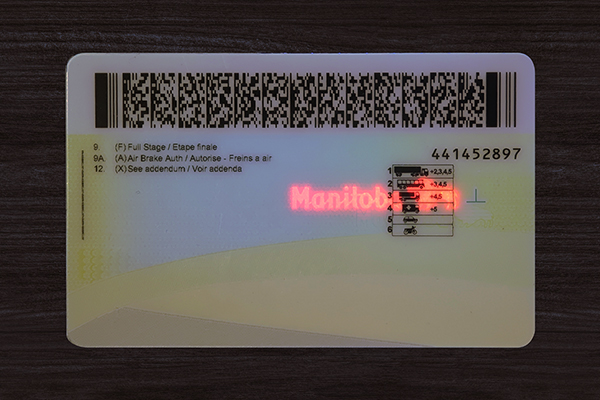
The barcode is the most critical element. A premium scannable ID should include properly encoded data that matches the printed information.
Look for:
- PDF417 barcode format
- State-specific data structure
- Functional scanning performance
2. Realistic Holograms
Holograms add authenticity and security. High-end IDs use multi-layer holograms that change appearance under light.
Signs of quality:
- Dynamic light reflection
- Correct placement
- State-specific design
3. UV (Ultraviolet) Features
UV elements are invisible under normal light but visible under UV scanners.
A quality ID includes:
- UV patterns or symbols
- State-specific UV marks
- Clear visibility under UV light
4. Material & Durability
Premium IDs are made from polycarbonate or PVC materials that resemble real government-issued cards.
Check for:
- Smooth finish
- Flexibility without cracking
- Resistance to wear and tear
5. Magnetic Stripe Functionality
Some IDs include magnetic stripes that store encoded data.
High-quality IDs:
- Encode real-like data
- Work with magnetic readers
- Match printed details
6. Microprinting & Fine Details
Microtext is tiny text that appears as a line to the naked eye but is readable under magnification.
Features include:
- Sharp printing quality
- No blurred edges
- Clean typography
Common Mistakes to Avoid
1. Choosing Based on Price Alone
Cheap IDs often compromise on quality. A low price usually means poor scanning capability and weak materials.
2. Ignoring Reviews and Reputation
Always research the provider. Look for:
- Customer feedback
- Real sample images
- Verified testimonials
3. Not Checking State-Specific Details
Each state has unique ID formats. A mismatch can lead to instant detection.
4. Overlooking Security Features
Skipping features like UV, holograms, or microprinting reduces authenticity.
How to Test a Scannable ID
Before relying on an ID, you should test its functionality:
- Use a barcode scanner app
- Check under UV light
- Swipe magnetic stripe (if available)
- Compare with a real ID for visual accuracy
Tips for Choosing the Best Provider
1. Look for Updated Templates
Make sure the provider offers 2026 updated designs.
2. Ask for Sample Proofs
Reliable providers often show samples or previews.
3. Check Turnaround Time
Fast shipping is important, but quality should not be compromised.
4. Customer Support Matters
A responsive provider indicates professionalism and reliability.
Future Trends in Scannable IDs (2026 & Beyond)
The future of scannable IDs includes:
- Smart chips and NFC technology
- Biometric verification integration
- AI-based scanning systems
- Enhanced anti-counterfeit measures
Staying updated with these trends will help you choose better products.
FAQs
1. What makes an ID “scannable”?
A scannable ID contains encoded data in barcodes or magnetic stripes that can be read by electronic scanners.
2. Do all scannable IDs work the same way?
No, quality varies based on encoding accuracy, materials, and security features.
3. How can I verify if an ID scans properly?
You can test it using scanning apps or barcode readers.
4. Are holograms necessary?
Yes, holograms enhance authenticity and make the ID more realistic.
5. What is the most important feature?
Accurate barcode encoding is the most critical feature for scanning functionality.
Conclusion
Choosing a high-quality scannable ID in 2026 requires careful attention to detail. With advanced scanning technologies, only IDs with precise encoding, realistic features, and durable materials can meet modern standards.
Instead of focusing solely on price, prioritize quality, provider reputation, and feature completeness. By following this guide, you can make an informed decision and avoid common pitfalls.
A well-chosen scannable ID is not just about appearance—it’s about performance, reliability, and long-term usability.